

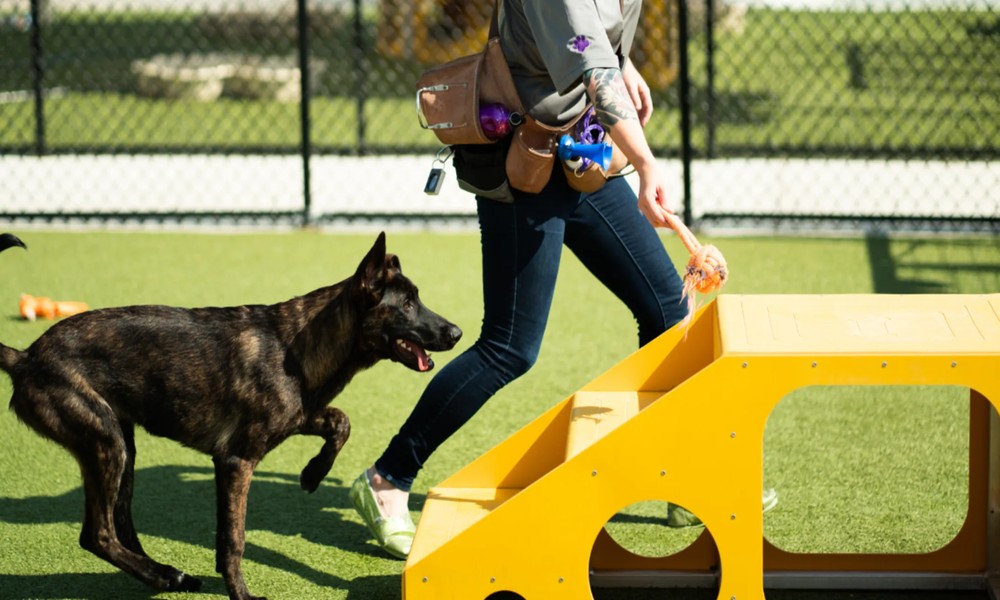
Activities, socialization and mental engagement throughout the day are good for pets. A lot of owners enroll their pet daycare service in Singapore to minimise boredom when they are at work. Healthy behaviour can be encouraged if there is daily engagement, which in addition will help with the overall well-being. Regular routines also encourage pets to stay active inside in safe activities.
Structured Activities Supporting Healthy Development
Regular play sessions encourage movement and maintain physical conditioning.Social interface helps improve confidence around other animals.
Mental workouts provide stimulation through problem-solving activities.Supervised routines help create predictable daily experiences.
Daily Observation Indicators for Better Care
Monitoring behaviour helps caregivers understand changing needs and activity preferences.Careful observation supports safe and balanced participation throughout sessions.
- Energy levels remain steady during supervised group interactions.
- Response to enrichment tasks shows ongoing mental engagement.
- Social behaviour improves through controlled daily introductions.
- Activity participation reflects comfort within familiar surroundings.
- Play duration reveals changing physical stamina patterns.
- Rest periods indicate appropriate balance between exercise and recovery.
- Curiosity toward new objects demonstrates healthy cognitive stimulation.
- Consistent routines reduce unnecessary stress-related behaviors.
Important Elements During Pet Evaluation
1. Physical Condition
Daily movement provides insight into overall mobility.Caregivers can identify changes requiring additional attention.
2. Social Interaction
Behaviour around other animals reflects comfort levels.Positive engagement often improves group participation.
3. Environmental Adaptation
Pets adjust differently to structured daycare settings.Observation helps determine suitable activity intensity.
4. Response to Enrichment
Interactive tasks measure curiosity and participation.Regular involvement supports ongoing mental stimulation.
5. Rest and Recovery
Appropriate breaks help maintain balanced activity levels.Recovery periods prevent excessive fatigue during sessions.
Which Live Behaviour Patterns Matter Most?
Ongoing observation during daycare provides valuable information about participation and comfort. Caregivers monitor movement patterns, interaction frequency, and reactions to environmental changes. These observations help maintain safe activity levels throughout the day.
A quality pet daycare service in singapore often tracks behavioural trends over time. Consistent monitoring allows adjustments to enrichment plans when necessary. Small changes in activity, confidence, or social behaviour may indicate evolving needs that benefit from tailored attention.
Daily Enrichment Performance Comparison
| Observation Area | Lower Engagement Signs | Higher Engagement Signs | Monitoring Benefit |
| Group Play | Limited participation | Frequent interaction | Social assessment |
| Mental Tasks | Short attention span | Sustained focus | Cognitive evaluation |
| Exercise Sessions | Reduced movement | Active involvement | Physical assessment |
| New Environments | Hesitation | Confident exploration | Adaptation review |
| Rest Periods | Excessive inactivity | Balanced recovery | Routine management |
Common Questions About Daily Pet Care
- How often should pets attend day-care sessions?
Attendance depends on energy levels, social needs, and owner schedules.
- Do day-care activities help reduce boredom at home?
Structured engagement can encourage calmer behaviour after returning home.
- Are enrichment programs suitable for older pets?
Activities are commonly adjusted according to mobility and comfort.
- What signs show a pet enjoys day-care?
Consistent participation, confidence, and positive social interactions indicate comfort.
- Can day-care support behavioural improvement over time?
Regular routines often encourage better adaptation and social development.
Consistent Care Builds Better Habits
Daily enrichment works best when activities remain balanced and appropriate. Regular observation helps identify changing needs before concerns develop. Reliable routines encourage knowledge and support positive behaviour patterns. Patience is important when evaluating progress over time. Kind supervision and steady assessment help maintain meaningful enhancement opportunities for pets.
