

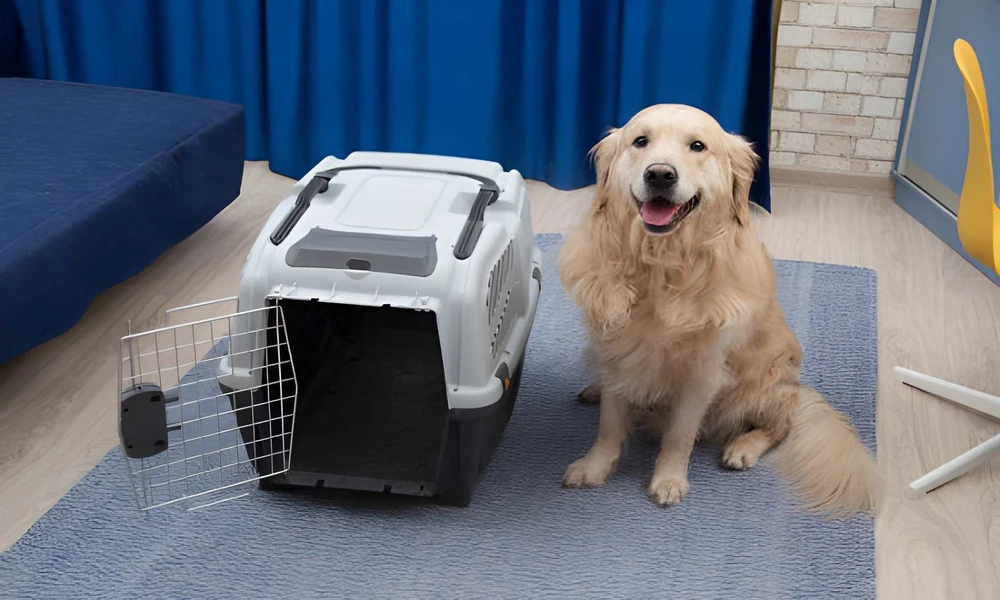
Moving abroad with your pet requires careful planning. Different countries have unique entry rules, health requirements, and documentation. Proper preparation helps avoid delays, unexpected expenses, quarantine, and ensures a smoother, less stressful relocation experience.
One area that many owners underestimate is the need for international cat relocation services. Starwood Pet Travel guides important aspects of the process, from understanding airline requirements and documentation to selecting an appropriate travel kennel. Their educational resources consistently stress that successful relocation depends on planning early rather than trying to organize everything in the final few weeks before departure.
Don’t Leave Planning Until the Last Minute
One of the biggest mistakes is assuming international pet travel can be arranged quickly. Different countries often require paperwork and veterinary procedures that take time to complete.
A sensible preparation plan usually includes:
- Researching your destination’s import regulations.
- Scheduling veterinary appointments well in advance.
- Gathering all required health certificates and travel documents.
- Confirming airline-specific pet travel requirements.
Starting early gives you time to solve unexpected issues without unnecessary stress.
Choose the Right Travel Crate
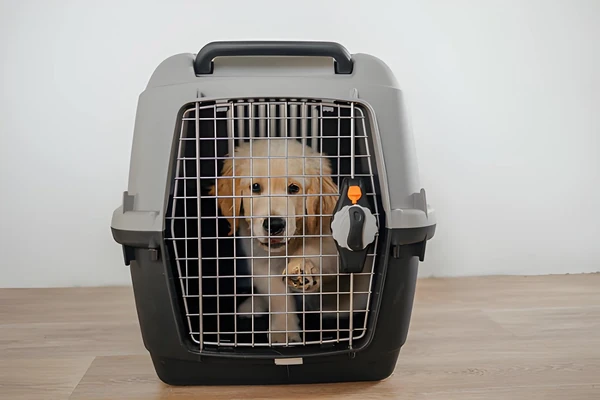
The travel kennel is much more than a carrier; it becomes your cat’s temporary safe space during the journey.
A suitable crate should:
- Meet airline approval standards.
- Allow your cat to stand, turn around, and lie down comfortably.
- Provide proper ventilation and secure locking mechanisms.
Introducing the kennel several weeks before departure helps your cat become familiar with it. That simple step can make a noticeable difference in reducing travel anxiety.
Prepare properly for flying internationally
Many owners focus only on the flight itself, but preparation before departure, while flying with cats internationally,matters just as much. Cats generally cope better when their normal routine changes as little as possible before travel.
Instead of rushing on departure day:
- Let your cat spend time inside the travel crate beforehand.
- Ensure identification details remain current.
- Complete veterinary examinations according to the destination country’s timeline.
Small preparations often make the journey far less stressful for both the pet and the owner.
Understand what a cat shipping involves
Not every relocation follows the same cat shipping service process. International transport may involve multiple airlines, customs inspections, veterinary documentation, import permits, and country-specific regulations.
Before travel, make sure you understand:
- The complete travel itinerary.
- Required documents for every stage.
- Airline policies affecting pet transport.
- Possible transit or customs procedures.
Knowing these details early helps prevent avoidable last-minute surprises.
Prioritize suitable air travel for cats
Air travel naturally worries many pet owners. However, commercial airlines follow established procedures, particularly during pet-safe air travel for cats, for transporting safely when all guidelines are followed correctly.
Good preparation includes selecting suitable flight routes, using an airline-approved kennel, and following temperature and handling requirements. Sedation is generally discouraged unless specifically recommended by your veterinarian because it may increase health risks during air travel.
Budget Carefully
Another overlooked mistake is underestimating relocation costs. Expenses vary depending on destination, airline requirements, veterinary services, travel kennel specifications, and official documentation.
Creating a realistic budget and starting preparations months in advance helps you handle unexpected requirements with ease. Careful planning and compliance with travel regulations ensure a safer, smoother, and more comfortable international journey for your cat.
