

There comes a point in most dogs’ lives when the digestion that shrugged off everything for years starts to become a little less forgiving. The eleven-year-old Labrador who could once eat anything now has soft stools after a slightly richer meal. The elderly terrier is fussier about breakfast, gassier in the evening and occasionally sick on the rug at dawn. Owners of older dogs often notice these changes gradually, put them down to age, and are not sure whether they need doing anything about.
Ageing does change the gut, but it is not a reason to accept discomfort as inevitable. Many of the digestive issues seen in senior dogs have specific causes that can be addressed, and the everyday support that suits an older dog is often slightly different from what worked in its youth. This article explains how the digestive system changes with age, the common causes of upset stomachs in senior dogs, how to feed an older dog well, and where supportive products such as Probiotic Dog Chews fit into the routine of a dog in its later years. It is written for UK owners and reflects the way pet food and veterinary medicines are regulated here.
How Age Changes the Digestive System
Several things shift as a dog gets older. Muscle tone throughout the body declines, including the smooth muscle of the gut wall, so food may move more slowly through the intestines, which can contribute to constipation in some dogs and irregular stools in others. Production of digestive enzymes and stomach acid can fall, making it harder to break down protein and fat efficiently. The lining of the intestine becomes slightly less effective at absorbing nutrients, so an older dog may need better-quality, more digestible ingredients to obtain the same nutrition.
The gut microbiome changes too. Studies in dogs and other species have shown that bacterial diversity tends to reduce with age, with fewer of the species that produce beneficial short-chain fatty acids and a relative rise in less desirable organisms. Immune function along the gut wall alters as well. The combination leaves the older gut less resilient: it copes less well with diet changes, scavenged snacks, stress and medication, and takes longer to recover from each disturbance.
Dental disease, which affects the great majority of dogs over the age of eight to some degree, has a direct effect on digestion. A dog with sore teeth or gums may bolt food without chewing, swallow more air, or avoid harder foods altogether. Reduced sense of smell and taste can make an older dog fussier. Reduced activity and thirst can contribute to constipation. And older dogs are far more likely to be on long-term medication or to have concurrent illnesses, both of which influence the gut.
Common Causes of Upset Stomachs in Senior Dogs
Many of the causes are the same as in younger dogs, but they matter more. Dietary indiscretion still tops the list, and a fatty scrap that a younger dog would have tolerated can trigger pancreatitis in an older one, particularly in overweight dogs and breeds such as Miniature Schnauzers and Cocker Spaniels. Sudden diet changes, including a switch to a senior food done too quickly, are a frequent cause of loose stools. Stress from changes in routine, the loss of a companion, or reduced mobility can unsettle an old dog’s digestion just as it does a young one’s.
Medication is a major factor. Non-steroidal anti-inflammatory drugs used for arthritis are among the most commonly prescribed medicines for senior dogs, and stomach irritation, vomiting and diarrhoea are recognised side effects in some individuals. Antibiotic courses, more frequent in older dogs, disrupt the gut bacteria. Steroids and some heart and thyroid medicines can also affect appetite and digestion. None of this means the medication should be stopped; it means the gut needs care alongside it, and any digestive problem in a dog on medication should be reported to the vet promptly.
Then there are the diseases of age. Chronic kidney disease often causes nausea, reduced appetite and vomiting. Liver disease, diabetes, hypothyroidism and Cushing’s disease all influence digestion. Inflammatory bowel disease and exocrine pancreatic insufficiency can appear or worsen in later life. Tumours of the gut, liver or pancreas become more likely with age and may present as unexplained weight loss, vomiting or changes in stool. This is why persistent digestive signs in an older dog should never be dismissed as just age; they are a reason for a full veterinary check-up, including blood tests.
When to See the Vet
Older dogs have less reserve than younger ones, so the threshold for seeking advice should be lower. Contact your vet if your senior dog has vomiting or diarrhoea lasting more than 24 hours, if there is blood in vomit or stools, if it is refusing food for more than a day or refusing water at all, if it is losing weight, drinking noticeably more, straining to pass stools, showing abdominal pain or bloating, or if it is simply not itself. Any dog on medication that develops a digestive upset should be reported to the practice. Sudden retching with a swollen abdomen is an emergency at any age. A senior health check every six months, with a blood and urine profile, picks up many age-related conditions early, when they are most manageable.
Feeding the Older Dog Well
The aim is a diet that is highly digestible, appropriately reduced in calories for a less active dog, moderate in fat, adequate in good-quality protein to preserve muscle, and containing suitable fibre for regular stools. Many complete senior diets are formulated with these principles, but there is no legal definition of a senior food in UK pet food regulations, so read the analytical constituents and composition rather than relying on the word on the packet. Dogs with diagnosed conditions such as kidney disease need specific veterinary diets and should not be switched without advice.
Any change of food should be made gradually over ten days or longer, since the older gut adapts slowly. Feed two or three smaller meals a day rather than one large one, which is easier on a slower digestive system and helps a dog with reduced appetite. Warming wet food slightly releases aroma and tempts a dog whose sense of smell has declined. Softer foods, or kibble soaked in warm water, help dogs with dental problems, but do arrange a dental check rather than simply working around sore teeth. Keep fresh water within easy reach, and raise bowls slightly for dogs with neck or joint stiffness. Keep treats to no more than ten per cent of daily calories and choose them carefully, avoiding fatty or rich options.
Supporting the Ageing Gut Microbiome
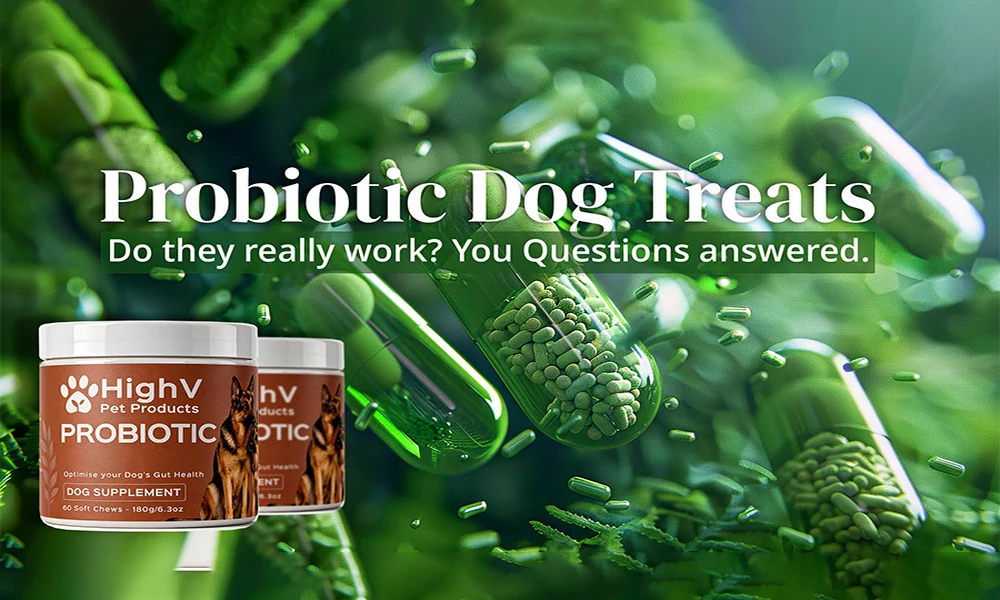
Because reduced bacterial diversity is one of the characteristic changes in the older gut, many owners of senior dogs look for ways to support the gut flora. Probiotics are one approach. In the UK, probiotics fed to dogs are regulated as feed additives in the gut flora stabiliser category, with only authorised strains permitted; the most common in dog products is a specific strain of Enterococcus faecium. Probiotic chews have become a popular format for older dogs because they are soft, easy to eat with worn teeth, individually portioned so dosing by weight is simple, and readily accepted as a treat rather than a medicine, which matters for a dog already taking tablets for other things.
UK owners should understand precisely what such a chew is. It is a complementary pet food, not a veterinary medicine, and it holds no marketing authorisation from the Veterinary Medicines Directorate. It cannot lawfully claim to treat, cure or prevent any condition, including the digestive problems of ageing, and a responsibly labelled product will confine itself to supporting normal digestive function or helping to maintain a balanced gut flora. That is what to expect: gentle, everyday support for the gut environment, fed consistently as part of the routine. It does not replace a veterinary diet, does not counteract the side effects of medication and is not a reason to postpone a check-up for an older dog with persistent digestive signs.
When choosing a chew for a senior dog, look for a named strain and a guaranteed live count to the end of shelf life, a soft texture, a low-fat, simple recipe with no added sugar, and a clear feeding guide. Many products also include prebiotic fibres such as inulin or fructo-oligosaccharides, which act as food for beneficial bacteria; introduce these gradually, since an older gut can be sensitive to sudden increases in fibre. Store chews as directed, because live bacteria deteriorate in heat and moisture. If your dog is on medication or a veterinary diet, ask your vet before adding a chew, so that everything the dog receives is considered together. Feed the chew daily; occasional use offers little.
The Bigger Picture for an Older Dog
Digestion in later life is closely tied to everything else. Maintaining a healthy weight reduces the risk of pancreatitis and eases the load on joints, which in turn keeps the dog more active and its gut more regular. Regular, gentle exercise supports gut movement and appetite. Good dental care prevents the bolting and pain that disrupt digestion. Predictable routines reduce stress. Attention to hydration prevents constipation and supports the kidneys. And a strong relationship with your vet, with regular senior checks, means that the diseases of age are found early and managed well, which is by far the biggest factor in an old dog’s digestive comfort.
Summary
The digestive system of a senior dog is slower, less efficient and less resilient than it was, with reduced enzyme output, altered absorption, changes in gut movement and a less diverse gut microbiome. Upset stomachs in older dogs are commonly caused by dietary indiscretion, diet changes, stress and medication, but they can also signal diseases of age that need veterinary diagnosis, so persistent signs should always be checked. Feeding a highly digestible, moderate-fat diet in small regular meals, transitioning slowly, caring for the teeth and keeping the dog active and hydrated all help. Probiotic chews offer a soft, palatable, easily dosed way to include an authorised gut flora stabiliser in an older dog’s daily routine, provided you remember that they are complementary pet foods that support normal digestive function rather than medicines that treat anything. With thoughtful feeding, good veterinary care and consistent support, most older dogs can enjoy a comfortable digestion well into their final years.
