


Occasional digestive upset can happen to almost any dog, but repeated loose stools, gas, vomiting, poor appetite, or abdominal discomfort deserve closer attention. Choosing the first product labeled “gentle” may not solve the problem because a sensitive stomach is not a diagnosis.
A thoughtful choice should combine digestibility with complete nutrition. It should also be introduced carefully and evaluated with a veterinarian when problems continue.
What Does a Sensitive Stomach Mean?
The phrase usually describes a dog that does not tolerate certain foods, ingredients, fat levels, portion sizes, or abrupt dietary changes well. The signs may be mild and occasional, or they may point to a condition requiring veterinary investigation.
Digestive upset can be associated with scavenging, overeating, parasites, infection, medication, stress, or another health concern. It may also involve food intolerance or canine food allergies. Because these possibilities can look similar at home, persistent symptoms should not be managed through guesswork alone.
Start With Complete and Balanced Nutrition
Digestibility matters, but it should not replace nutritional adequacy. A long-term sensitive-stomach diet for dogs should supply appropriate protein, fats, vitamins, minerals, and other essential nutrients for the animal’s life stage.
The FDA explains that owners can check a product’s nutritional adequacy statement to determine whether it is intended to provide complete and balanced nutrition as a sole diet. Treats and supplements generally are not formulated for that purpose.
Owners should also review calorie density and feeding directions. Giving too much of an otherwise suitable food can contribute to lose stools and unnecessary weight gain.
Consider Digestibility, Fat, and Fiber
Highly digestible diets are designed to make nutrients easier for the body to process and absorb. They may use carefully selected protein and carbohydrate sources, controlled fat, and a fiber profile intended to support stool quality.
Fat level can be especially important for some dogs, although lower fat is not automatically best for every animal. Fiber is equally individual. Certain dogs respond well to moderate amounts of soluble or mixed fiber, while others need a different balance.
A search for food for dog sensitive stomach should ultimately lead back to these fundamentals: nutritional completeness, suitable digestibility, consistent portions, and individual tolerance.
Distinguish Digestive Sensitivity from Food Allergy
Food sensitivity and food allergy are often discussed as though they are identical. A true food allergy involves an immune response, while an intolerance may cause digestive problems without that immune mechanism. Itching, recurring ear trouble, and paw licking alongside digestive signs may give a veterinarian additional reasons to investigate diet.
Choosing dog food for allergies solely from front-label claims is not a reliable diagnostic method. When an allergy is genuinely suspected, a veterinarian may recommend a controlled elimination trial using a novel or hydrolyzed protein. Although hypoallergenic diets for dogs may be part of that process, they should be selected according to the dog’s feeding history and clinical needs.
Extras matter too. Table scraps, flavored medications, chews, supplements, and dog allergy treats may introduce ingredients that complicate a diagnostic trial or trigger stomach upset.

Change Foods Gradually
Even an appropriate new formula may cause problems if the change happens too quickly. Cornell University’s veterinary guidance recommends a gradual diet transition, noting that dogs with sensitive stomachs may need a slower change than others.
The old and new foods can be mixed in gradually increasing proportions, with the pace adjusted according to veterinary advice and the dog’s response. If vomiting, diarrhea, or appetite loss develops, owners should contact their veterinarian rather than repeatedly trying additional foods.
Keep the Feeding Routine Consistent
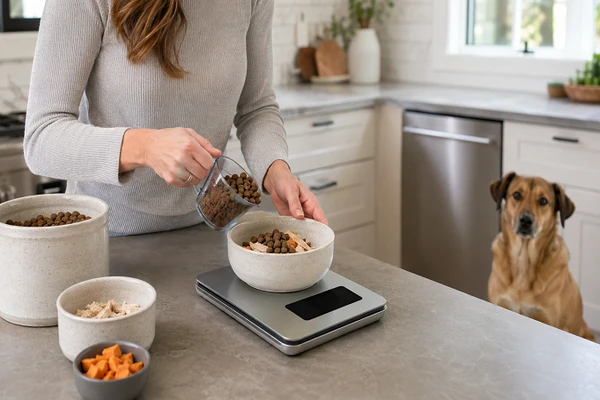
A routine makes changes easier to evaluate. Meals should be measured, fresh water should remain available, and treats should be counted as part of daily intake. A simple diary can record food, portions, stool quality, appetite, vomiting, medications, and unusual snacks.
Consistency helps reveal patterns. It also gives the veterinary team more useful information if symptoms continue.
Know When Veterinary Care Is Needed
Prompt veterinary attention is important when digestive symptoms are persistent or severe, or when they occur with repeated vomiting, blood, black stool, dehydration, weight loss, marked lethargy, pain, or refusal to eat. Puppies, senior dogs, and animals with existing medical conditions may require earlier assessment.
A Balanced Choice for Long-Term Comfort
The right diet is not simply the one with the most reassuring packaging. It provides complete nutrition, suits the dog’s digestive and medical needs, and remains practical to feed consistently.

DogDietLab helps owners explore canine nutrition topics clearly and prepare informed questions for veterinary professionals. Visit the website for practical guidance on comparing diets for sensitive dogs.
