

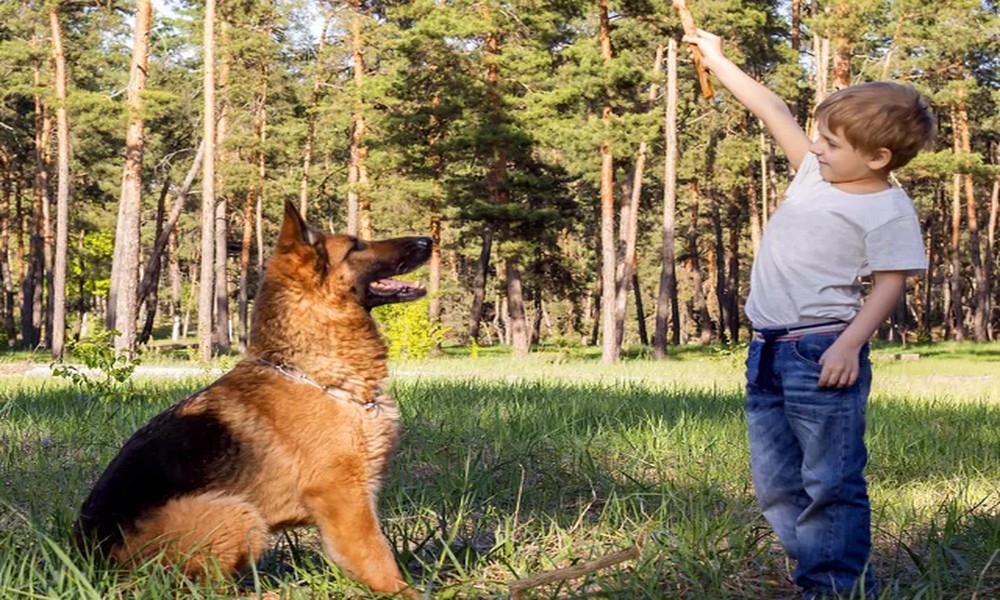
Buying a trained protection dog is a big decision. Many people look for dogs that can provide safety for their family, home, or workplace. When searching online, you may notice listings for police dogs for sale, which can make the process feel confusing at first. These dogs are highly trained and can offer strong protection, but it is important to understand what you are buying before making a choice.
A protection dog is not just a pet. It is a trained partner that knows how to respond to danger while still behaving calmly around people. Because of this, choosing the right dog and trainer takes time and careful research. This guide will help you understand the steps you should follow so you can find a trained guard dog for sale that fits your needs and lifestyle.
1. Understand What You Need From a Protection Dog
Before you start searching for a trained dog, take some time to think about your personal needs. Protection dogs can be trained for many different roles, and each type of training focuses on different skills.
Family Protection vs. Working Protection
Some protection dogs are trained mainly for families. These dogs are calm around children, friendly with guests when allowed, and protective when they sense a real threat. They are trained to balance safety with gentle behavior inside the home.
On the other hand, working protection dogs are trained for more demanding tasks. These dogs may be used for security jobs, law enforcement support, or guarding large properties. Their training is usually more advanced and focused on discipline, control, and strong response skills.
Because of these differences, the type of training a dog receives can affect the price. Dogs with more advanced training often cost more because the process takes longer and requires skilled trainers.
Think About Your Daily Life
Another important factor is how the dog will fit into your everyday routine. Ask yourself a few simple questions:
- Will the dog live inside the home or outside?
- Are there children or other pets in the house?
- Do you want the dog mainly for family protection or for security work?
Answering these questions will help you understand what kind of protection dog is best for you. When you know your needs clearly, it becomes much easier to choose the right dog later on.
2. Research Professional Dog Training Facilities
Once you understand what you need, the next step is to find a reliable training facility. A good trainer plays a major role in how well a protection dog performs.
Check Experience and Reputation
Start by searching for training centers that specialize in protection dogs. These facilities usually have trained staff who work with specific breeds known for protection, such as guard dogs and working breeds.
Look at customer reviews and testimonials online. Previous buyers often share their experiences, which can help you understand if the trainer is trustworthy and professional. Positive reviews about dog behavior, training quality, and customer service are good signs.
You should also check how long the facility has been training dogs. Trainers with many years of experience usually have stronger knowledge about dog behavior and training techniques.
Compare Training Programs and Prices
Different facilities offer different levels of training. Some dogs receive basic obedience and protection training, while others go through advanced programs that prepare them for high-level security work.
These programs often come in training packages. The more advanced the training, the more skills the dog will learn, and the higher the cost will be. Comparing several training facilities can help you find a program that fits your budget without sacrificing quality.
3. Speak With a Professional Dog Trainer
After narrowing down your options, try to speak directly with a trainer. A conversation with an experienced trainer can give you a better idea of how the dogs are trained and which breed might work best for you.
Important Questions to Ask
When talking with a trainer, consider asking questions such as:
- How long have you been training protection dogs?
- What type of training methods do you use?
- Do the dogs receive obedience training along with protection training?
- Do you provide support or guidance after the purchase?
These questions help you understand the trainer’s approach and experience. A good trainer will explain their methods clearly and make sure the dog matches your lifestyle.
Observe the Dogs If Possible
If the training center allows visits, try to see the dogs in person. Watching how the dogs behave can tell you a lot about the quality of the training. Well-trained protection dogs should be calm, obedient, and confident.
4. Choose the Right Training Package
Professional training programs are often designed in levels. Each level adds more training time and more advanced skills.
Basic Protection Training
Basic packages usually include obedience commands, social behavior training, and simple protection responses. These dogs are often suitable for family homes and smaller properties.
Advanced Protection Training
Higher-level packages include more detailed training. Dogs may learn advanced control commands, threat detection, and stronger guarding behavior. These dogs are often used for professional security roles.
The trainer should be able to explain how long the training takes and what skills the dog will have at the end of the program. This helps you understand exactly what you are paying for.
5. Make Your Final Decision
After researching trainers, speaking with professionals, and reviewing training packages, it is time to choose your protection dog and trainer.
The best choice is usually the trainer who understands your needs the most and clearly explains the training process. A good trainer will match you with a dog that fits your lifestyle, personality, and security needs.
Remember that a protection dog is both a working partner and a loyal companion. With the right training and care, these dogs can provide safety, confidence, and peace of mind for many years.
Final Thoughts
Buying a trained protection dog is an investment in safety and responsibility. By understanding your needs, researching trainers, asking the right questions, and selecting the proper training program, you can find the perfect protection dog for your home or workplace.
Taking the time to follow these steps will help ensure that the dog you choose is well-trained, reliable, and a good match for your life.
