

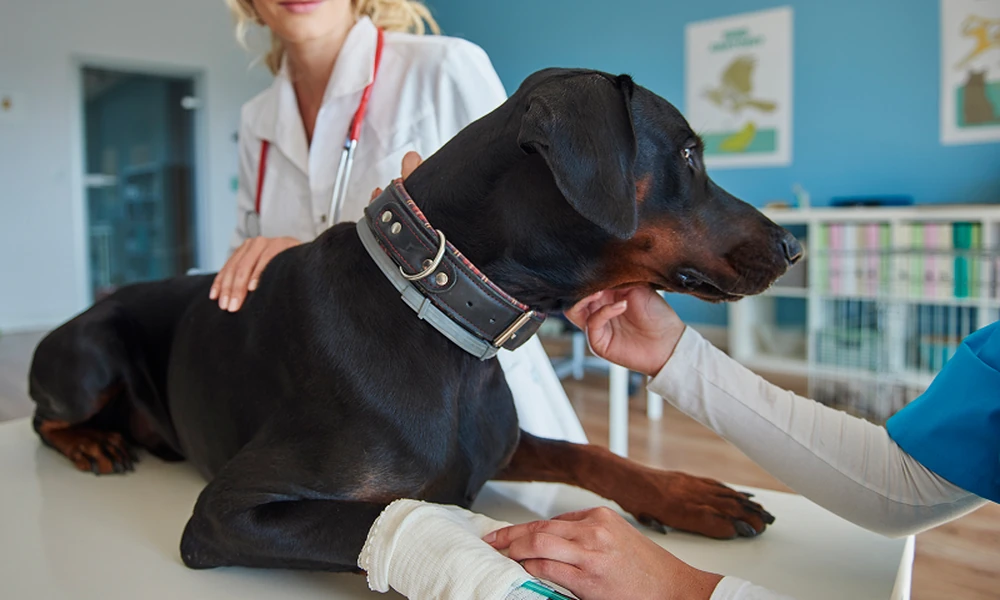
When a pet experiences mobility problems, discomfort or a lengthy recovery, owners may explore supportive therapies alongside conventional veterinary care. Veterinary acupuncture is one option that may be considered for selected animals after professional assessment.
It should not be treated as a universal solution or a replacement for diagnosis and appropriate veterinary treatment. Asking focused questions can help owners understand why acupuncture has been suggested and how it may fit into a wider care plan.
1. Why Has Acupuncture Been Recommended?
Start by asking what concern the veterinarian hopes to address. Acupuncture may be considered as part of supportive care for certain mobility, pain or recovery needs, but suitability varies between animals.
Ask how the treatment fits with the diagnosis and existing care plan. Understanding the purpose helps you assess the treatment realistically.
You can also ask what other options are available. A clear discussion should consider your pet’s condition rather than treating acupuncture as an isolated service.
Understanding the rationale behind acupuncture helps set realistic expectations for your pet’s treatment plan. When a veterinarian recommends acupuncture, it is usually targeted at improving comfort, alleviating chronic stiffness, or enhancing nerve function alongside standard medications or surgeries.
2. Is My Pet Suitable?
Age, health status, temperament and the nature of the condition can influence treatment suitability. Tell the veterinary team about existing diagnoses, medications and previous procedures.
Your pet’s behaviour also matters. Some animals tolerate handling easily, while others become highly anxious in unfamiliar environments.
Ask how the clinician assesses whether your pet can comfortably participate. The treatment plan should take the animal’s welfare into account.
Not all animals react the same way to needle placement or standing still during sessions. A thorough assessment ensures your pet’s anxiety levels, medical history, and specific health conditions are fully compatible with acupuncture before proceeding.
3. What Should I Expect During Treatment?
Ask how an appointment usually works and how your pet will be handled. The veterinary team should explain what will happen before treatment begins.
You can ask how they monitor the animal’s comfort and behaviour during the session. If your pet becomes distressed, the team should be prepared to reassess the approach.
Understanding the process beforehand can make the experience less stressful for both owner and pet.
Sessions are performed in a quiet, relaxed setting where your pet can lie comfortably on padded bedding. The veterinarian carefully inserts tiny, sterile needles into targeted anatomical points, often resulting in a soothing effect as endorphins and natural pain-relieving chemicals are released.
4. How Does It Fit With Rehabilitation?
Acupuncture may form part of a broader veterinary rehabilitation programme. Ask if exercises, mobility support or other rehabilitation measures are appropriate for your pet.
A combined plan may focus on several aspects of recovery rather than relying on one therapy.
Ask how different treatments complement one another and how the veterinary team will coordinate the programme.
Integrating acupuncture with active physical therapy, targeted therapeutic exercises, hydrotherapy, or laser treatment often yields superior outcomes. Combining these modalities helps restore mobility, build supporting muscle strength, and speed overall recovery.
5. How Will Progress Be Monitored?
Ask what signs the veterinary team will use to evaluate progress. Changes in mobility, activity, comfort and daily behaviour may provide useful information.
Keep notes at home if recommended. You may notice changes that are difficult to observe during a short clinic appointment.
Progress should be reviewed over time rather than judged from a single session.
Monitoring progress involves observing subtle daily changes such as ease in standing up, willingness to climb stairs, and post-nap stiffness. Regular clinical evaluations ensure that treatment frequency and techniques are adapted as your pet improves.
6. What Are the Possible Risks?
Ask about potential side effects, limitations and situations where treatment may need to stop. Your veterinary team can explain risks based on your pet’s health and the proposed treatment.
Do not hesitate to mention anything unusual after an appointment. Prompt communication can help the veterinary team decide if your pet needs reassessment.
Although veterinary acupuncture is generally safe when administered by a trained professional, minor side effects such as temporary tiredness or slight soreness can occur. Knowing what to monitor helps you differentiate expected post-treatment relaxation from adverse reactions.
Questions to Ask
- Why has acupuncture been recommended?
- Is my pet suitable?
- What will happen during a session?
- How could it fit into rehabilitation?
- How will progress be monitored?
- What risks or reactions should I watch for?
Veterinary acupuncture should form part of a considered veterinary care plan when appropriate. Owners can make better-informed decisions when they understand the purpose of treatment, how it fits with veterinary rehabilitation, and how their pet’s response will be monitored.
Contact Bluewater Vet Acupuncture & Rehabilitation to discuss your pet’s condition and suitable rehabilitation support with a veterinary professional.
