

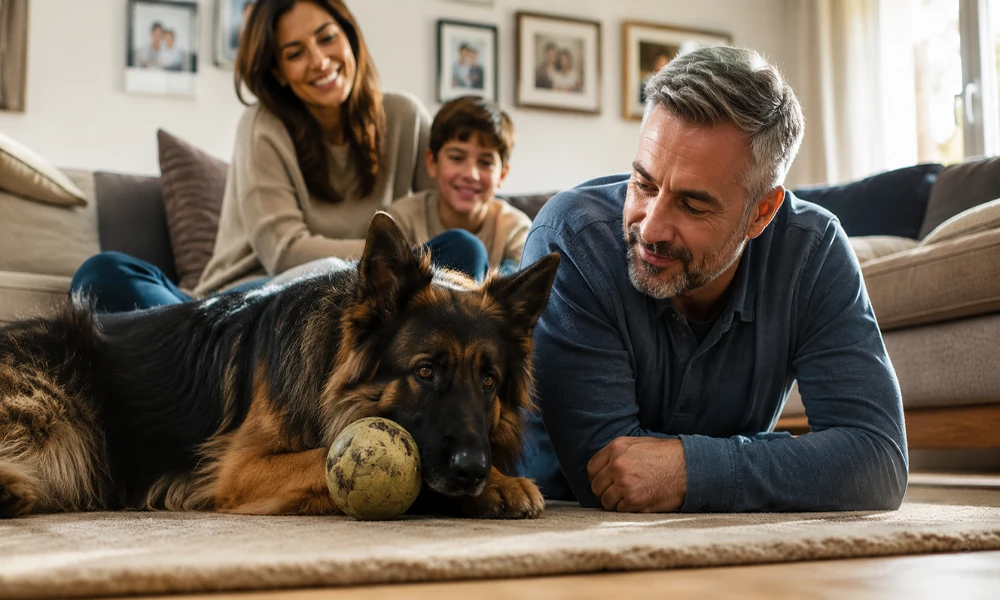
DogEpiMonitor did not begin as a conventional technology project. It began with Walter, a long-haired German Shepherd whose epilepsy changed the rhythm of his family’s life. His experience exposed a simple but painful problem: during a crisis, love and attention are abundant, but clear information is hard to preserve.
Walter’s owner, Alejandro Di Russo, later transformed that lesson into DogEpiMonitor. The platform was built around the records he wished he could have carried into every veterinary appointment-accurate, chronological, and easy to understand.
Remembering Walter Before the Seizures
Walter was born in 2011 in Ejea de los Caballeros, Spain, and joined Alejandro’s family in Móstoles. His size made an immediate impression, but his gentle nature won people over. He loved his ball, his chew toy, muddy puddles, and any chance to find a sausage among the groceries.
These details matter because epilepsy was only one part of Walter’s life. He was first a companion with habits, preferences, and a place in the family. That is also how DogEpiMonitor approaches every animal: the record may focus on health events, but the dog is never reduced to a condition.
A Frightening First Episode
Walter was about 30 months old when he experienced his first seizure. After several days of low energy, he went rigid, collapsed onto his side, and began convulsing. Alejandro and his young daughter were present, but they did not understand what they were seeing. Panic took over.
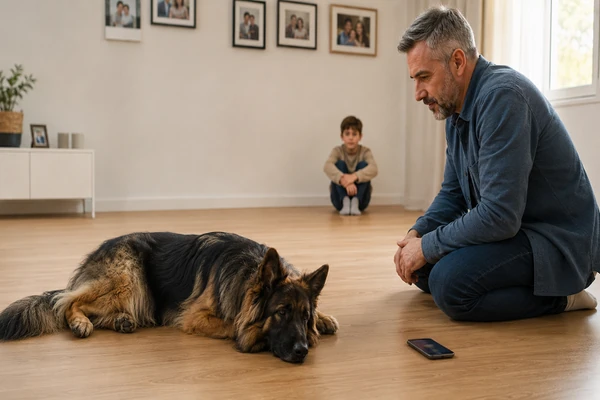
Like many unprepared owners, Alejandro tried to hold Walter and placed a hand near his mouth. He later learned that safety requires a different response. Cornell University’s canine seizure guidance advises clearing nearby hazards, avoiding the dog’s mouth, timing the episode, and keeping a log for the veterinarian. A first seizure should also be followed by prompt veterinary assessment.
Walter’s episodes continued. Some days brought several seizures, changing the family’s routines and making every quiet hour feel uncertain. Treatment details, episode times, recovery signs, photographs, and questions accumulated faster than anyone could organize them.
When Memory Is Not Enough
The family used notebooks, loose notes, and phone photos. Important facts existed, but they were scattered. At an appointment, simple questions became difficult: How many episodes occurred this month? How long did each one last? Did the pattern change after a medication adjustment? What happened during recovery?
Stress can blur time and sequence. A two-minute event may feel endless, and details that seem unforgettable in the moment can fade by the next morning. Alejandro wanted a dog seizure tracker that could turn isolated observations into a coherent history without adding more pressure to an already frightening situation.
Designing Around Real Moments
DogEpiMonitor was shaped around the needs that emerged during Walter’s illness. Owners can record the date, time, duration, and characteristics of an episode. Medication information, reminders, clinical studies, and veterinary visits can be kept in the same chronological record. Visual timelines help make frequency and duration changes easier to review, while PDF reports organize the history for a consultation.

The idea of owner-led digital monitoring also has a place in established veterinary research. The Royal Veterinary College’s canine epilepsy research includes work on digital tools that allow owners to record seizures and medication information. Such records cannot decide treatment, but they can give veterinary professionals a clearer account of what happened at home.
The platform also reflects the emotional reality of caregiving. Owners may lose sleep, fear leaving the dog alone, or struggle to explain the experience to others. An organized record does not remove those feelings. It can, however, provide a practical next action: record the event, preserve the details, and prepare for the next conversation with the vet.
That sense of order also matters when several people share a dog’s care. A common history can reduce conflicting notes and keep the household focused on the same documented information.
A Tool With Honest Limits
DogEpiMonitor does not diagnose epilepsy, prescribe medication, guarantee seizure control, or replace professional care. It serves as an information bridge between life at home and the veterinary clinic. Emergency symptoms still require immediate veterinary direction, and treatment decisions belong with qualified professionals.
Walter died on June 1, 2014, after severe back-to-back seizures caused irreversible harm. DogEpiMonitor cannot rewrite that ending. Its purpose is to carry his experience forward in a form that may help another family feel more prepared.
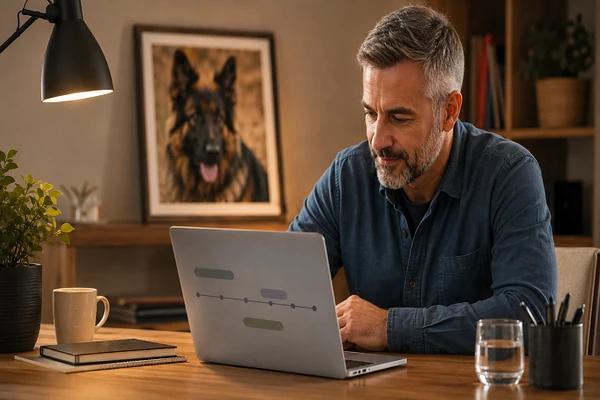
Explore DogEpiMonitor and begin creating a consistent history to share with your veterinarian. Walter’s legacy is not a promise to eliminate uncertainty. It is a practical way to meet uncertainty with clearer information, greater structure, and compassion for every dog and owner living through epilepsy.
