

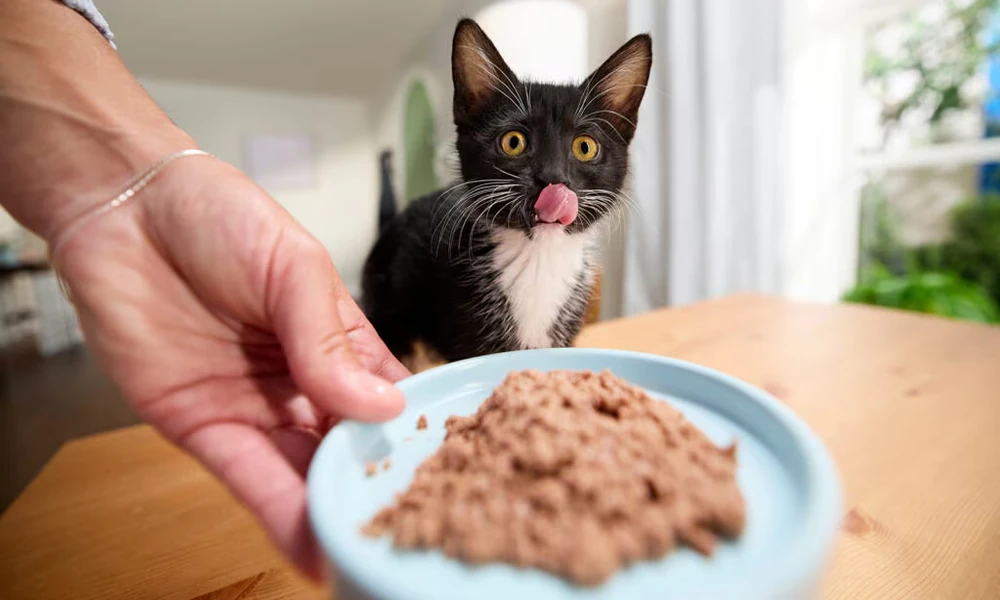
Feeding your cat the right kind of food in the right amount is one of the most crucial parts of keeping them healthy. Learning about this is a pet owner’s responsibility. If you give them too much or too little, it can cause all sorts of problems. And because every cat has unique feeding needs, it helps to know what cat food portion size (猫 餌 の 量) even means for them. Read on to learn a safer way to figure out how much to serve your cat.
Check the Feeding Guidelines
Most commercial cat foods provide feeding recommendations right on the package. Those directions are a good starting point for pet owners. These are usually based on your cat’s weight and the exact type of food you are using. Still, they’re more general when it comes to portion sizing. You might need to tweak for your cat’s specific needs. Treat this as a guide and not a strict rule to follow.
Consider Your Cat’s Age
Your cat’s age changes the portion sizes that you are considering. For example, kittens need extra energy because they are growing fast. It’s ideal to give them a few smaller meals spread across the day. On the other hand, adult cats usually rely on a steady amount of food portions. They need to maintain a healthy body weight. Also, senior cats may need a change in diet depending on their activity and health needs.
Monitor Body Weight
Check your cat’s body condition regularly. It’s not all about the pounds on the scale. Learn what a “healthy cat” should look like. For example, a healthy cat should show a bit of a waist when you look from above. You should be able to feel the ribs without this thick, extra fat layer covering their body. Checking this regularly can help develop a healthy eating habit.
Consider Its Activity Level
Some cats spend most of their day playing around. This allows them to lose more calories. However, there are cats that are more laid back. Indoor cats usually need fewer calories than active cats that roam outside. When you match the food portions to what your cat actually does each day, it’s easier to keep their weight stable.
Measure the Food Accurately
Using a measuring cup or a kitchen scale is one of the simplest ways to keep portions consistent. If you eyeball it, it’s pretty easy to end up giving too much. Measuring each meal not only helps balance calorie intake, but it also makes it easier to notice changes in eating habits.
Limit Treats
Treats are good to make your cat happy. However, they should be limited. This can mess with their calorie intake. It may lead to uncontrolled weight gain. Pick healthier cat treats, if possible. And if you are giving it daily, reduce meal portions a little to even things out.
Monitor Appetite Changes
Any changes in appetite should not be taken lightly. It could be a sign that something more concerning is happening. In those cases, talk to a veterinarian. And yes, changes in eating behavior should not be brushed off. They can sometimes point to medical issues that need immediate attention.
Check in with Your Veterinarian
No two cats eat the same. That’s why your cat’s nutrition needs is personal. A veterinarian can help recommend portion sizes that actually fit and the best kind of diet for your cat. Also, routine vet checkups are helpful because they make sure your feeding routine still matches your pet’s evolving needs.
Conclusion
Giving your cat the right food portion can help support their long-term health and comfort. When you think about the factors discussed above, this can help ensure that you keep your cat’s meals under control. This can help them get balanced nutrition.
